

Our work
A look at the kinds of studio, stage and event jobs we take on, and how we approach each one.
Studios, stages and live shows we support
These pieces of work show the range of what we do, from fixed studio installations to temporary festival rigs. Each describes the approach taken and the practical detail that mattered most.
-
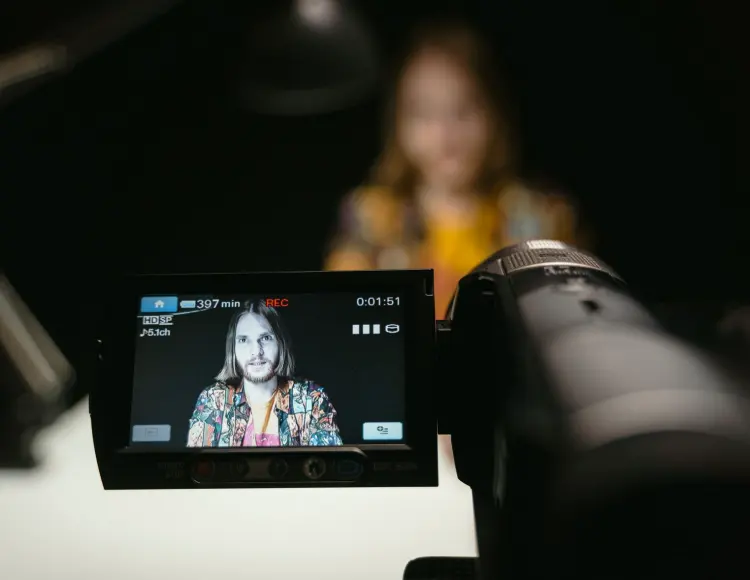
Compact streaming studio layout
A small room planned around a single presenter desk and two cameras. We placed acoustic panels and cable routes first, so the set could change without exposing wiring.
-
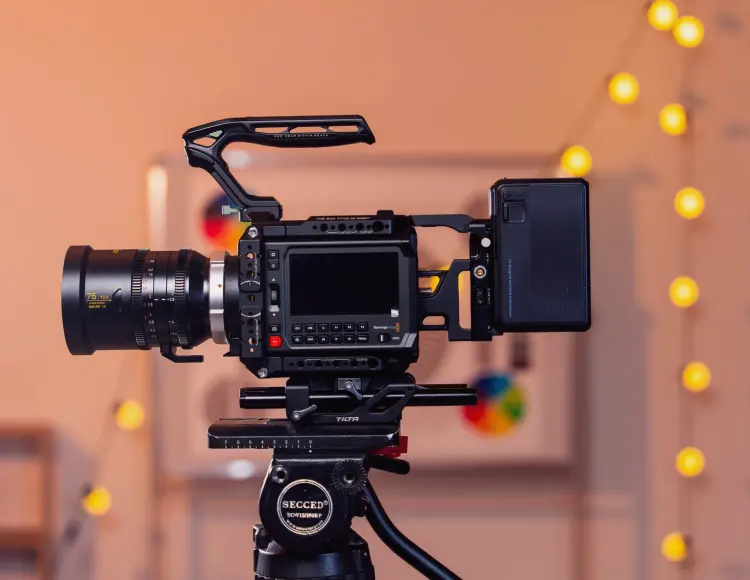
Robotic camera installation
Remote-controlled cameras fitted to a regional studio ceiling and floor, linked to a vision mixer and a control panel. Operators trained on the layout before the first live programme.
-
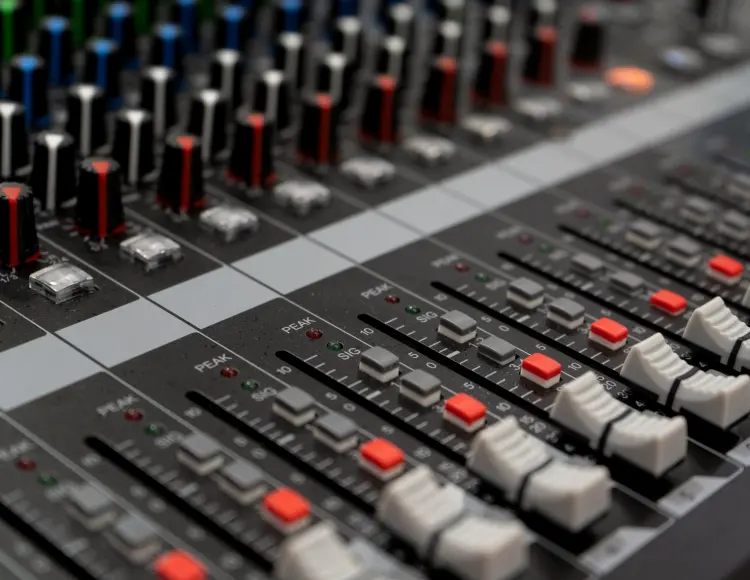
Festival main stage lighting
A lighting plot built around a rig that could be loaded in and struck within one day. Programming was prepared in advance so the show ran from saved cues.
-
Outdoor stage sound system
A tuned speaker system for an open field, with front-of-house and monitor mixes handled separately. We checked coverage by walking the audience area before doors opened.
-
Corporate evening production
A crew of technicians covering sound, lighting and camera for a company party in a hotel ballroom. Load-in, rehearsal and wrap were agreed with the venue beforehand.
-
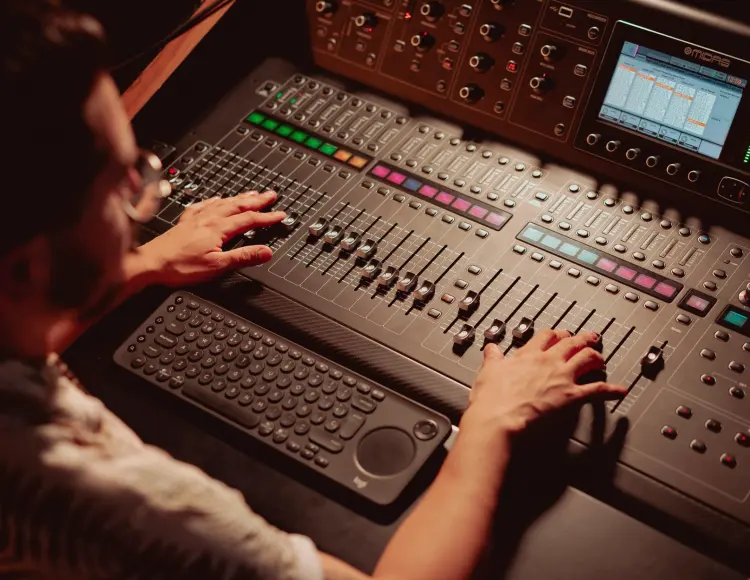
Control room workflow review
We sat with a studio team through a full show, noting where files and signals slowed them down. The review produced a short list of procedural changes they could adopt.
The kinds of teams we usually support
Our work suits teams that make programmes or stage events and need dependable technical support. We do not list clients by name here. Instead, these groups describe the people we most often speak to and what they tend to ask of us.
Regional broadcast studios
Studio managers who need layouts, camera control and cabling planned with their team, so equipment fits daily programme routines.
Streaming and online studios
Small production teams that need a compact room with good sound and a simple camera setup they can run themselves.
Festival organisers
Organisers who need lighting, sound and crews for temporary stages, with load-in and strike planned around tight site access.
Corporate event teams
Event managers staging conferences or parties who want clear sound, sensible lighting and technicians who work quietly with the venue.
Live broadcast producers
Producers covering events who rely on crews and signal routing that stay steady while the programme is on air.
Venue and theatre managers
Managers who want a house system tuned properly and a lighting setup that visiting productions can use without confusion.
Broadcast studio design in four parts
Layout and sightlines
We map where cameras, desks, sets and crew will sit, and check sightlines and movement. The layout is drawn so you can discuss it and change it before anything is built.
Acoustic treatment
We look at how sound behaves in the room and recommend where treatment should go. The aim is clean dialogue that needs less correction later in the edit or the mix.
Cabling and power routes
We plan how signal and power cables run between cameras, control room and racks. Good routes keep the floor clear and make faults quicker to trace.
Review with your team
The plan is walked through with the people who will use the studio. We note their comments and update the drawings, so the final version has been checked by the team.